Is InterBet a Scam or Legit in Namibia? Evidence Review
Opening finding: the licence position remains open
The most important finding is not a simple scam or legitimate verdict. The evidence checked on 28 August 2026 confirms that interbet.co.za is the exact domain shown in the operator material, but it does not establish a current Namibian licence for that domain or for a precisely identified Namibian operating entity. The appropriate signal is therefore amber: the evidence is open, and the South African-facing material cannot be treated as proof of authorisation in Namibia.
That distinction matters before registration, deposit or withdrawal. A familiar brand, a functioning website or positive-looking interface does not answer the local legal question. A Namibian customer should first match the exact host, the responsible entity and a current record from the competent authority. None of those three elements can be completed from the supplied evidence packet alone.
| Finding | What the evidence supports | What it does not support |
|---|---|---|
| Exact host | The operator source shows interbet.co.za | It does not prove that the host is authorised in Namibia |
| Brand identity | The source presents the InterBet brand | It does not identify a Namibian legal entity |
| Namibian licence | No current primary Namibian licence match was located | It is not proof that no licence exists anywhere |
| Overall signal | Amber, because evidence remains open | It is not a declaration of fraud |
What the domain and entity evidence show
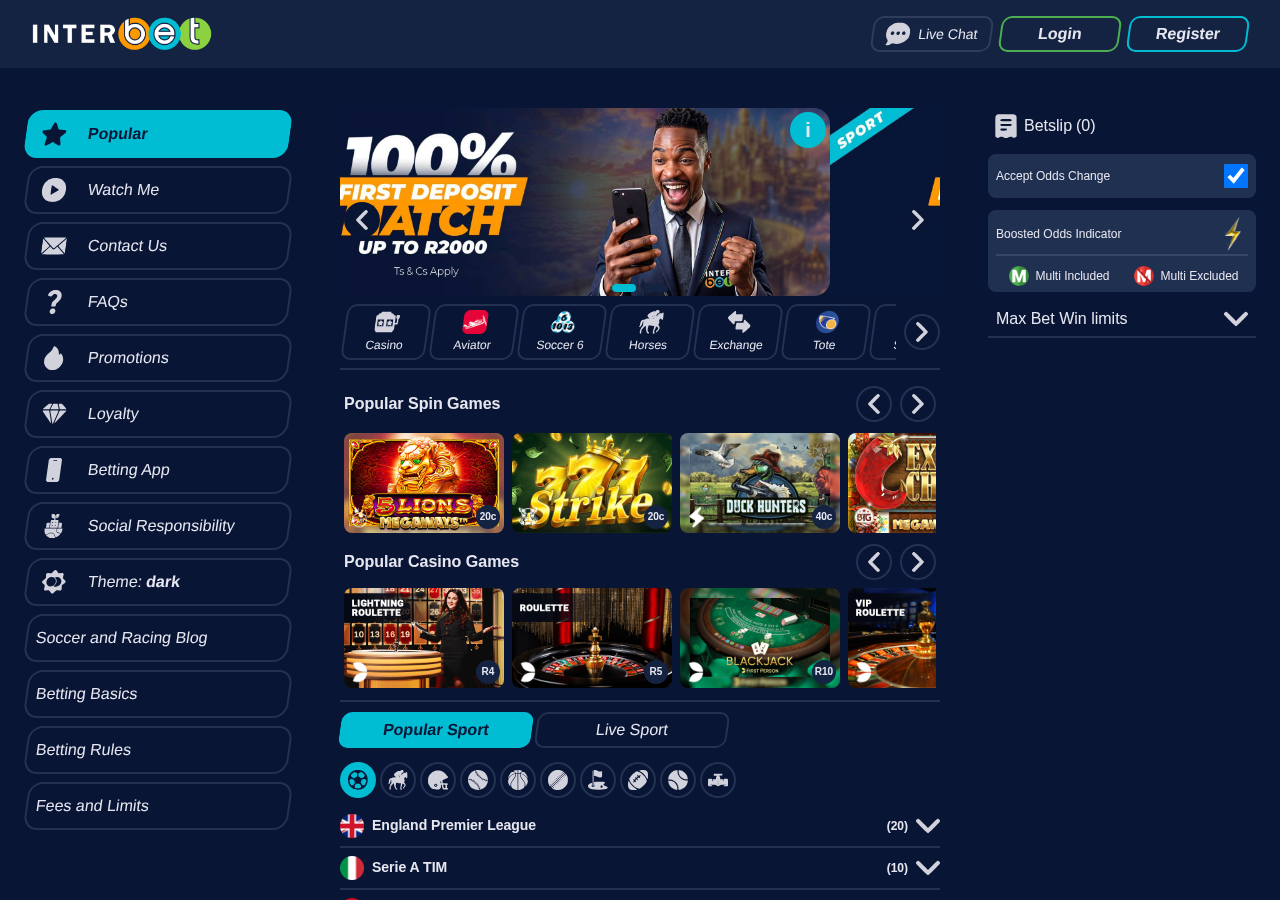
The operator source is useful for confirming the visible domain and brand relationship. It is not a regulator register and does not, on its own, establish the location of the operator, the legal entity contracting with a customer in Namibia, or the jurisdiction of any licence. The evidence packet expressly records the exact operator position as “InterBet brand; exact Namibia operating entity not established”.
That missing entity link is central. A brand can appear across markets while different companies, terms, payment arrangements or regulatory permissions apply in each one. A customer should therefore compare the name shown during registration, the name on terms and conditions, the account or payment recipient, and any licence number supplied for Namibia. If those details do not align, treat the mismatch as a material risk rather than assuming that the brand name settles it.

| Identity check | Evidence available | Safe interpretation |
|---|---|---|
| Domain | interbet.co.za appears in the operator record | This identifies the host shown in that source |
| Namibian entity | Not established in the packet | Do not fill the gap with a similar company name |
| Local licence number | No current primary match located | Ask for a verifiable local record before relying on it |
| Contracting party | Not established | Check the registration and withdrawal documents |
What Namibian law evidence establishes
The Gambling Board of Namibia states that gambling operators must be licensed and that complaints can be submitted through its contact route with supporting evidence. That statement is a primary regulatory source and is directly relevant to the question of local authorisation. The Board’s licensing and complaints information should be used as the starting point for a current confirmation request, rather than relying on a logo, an overseas licence reference or user commentary.
The supplied copy of the Namibian legislation defines gambling, creates licence categories and sets the Board framework. It supplies legal context, but it does not identify this exact domain as a current licensee in the evidence packet. The Ministry’s historical casinos and gambling-houses information records the former framework, a moratorium and historic licence counts dated 2016. Because that page is historical, it should not be presented as a current register entry for the operator.
| Legal question | Current answer from the packet | What remains to verify |
|---|---|---|
| Must a gambling operator be licensed? | The Board says operators must be licensed | Whether this exact service holds the relevant current permission |
| Does the Act create licence categories? | Yes, according to the supplied primary record | Which category, if any, would cover the service |
| Does the 2016 Ministry page prove current authorisation? | No; it is historical context | A current Board record or written confirmation |
| Is an overseas-facing domain enough? | No | A precise Namibia host, entity and licence match |
Scam or legitimate: what the amber signal means
“Amber” is a risk-and-evidence label, not a finding of misconduct. It means that the packet contains some relevant evidence but does not close the most important local verification gap. The operator source supports the domain and brand association. The official sources explain licensing and complaint principles. The missing current primary match means the legal status for Namibia remains unresolved.
There is no supplied official adverse record establishing that this service is fraudulent, and the available user-report material does not reach that standard. It would therefore be inaccurate to call the service a scam on this record. It would be equally inaccurate to call it locally licensed or fully legitimate without a current exact match. Until the gap is resolved, a cautious customer should avoid treating brand familiarity as a substitute for local authorisation.
Use the same standard when assessing messages, advertisements and copied websites. A clone may use a similar name, altered spelling or a different top-level domain. A page that asks for a deposit should be checked independently against the intended host; do not use a link supplied in an unsolicited message to establish identity.
Deposits and payment checks
The packet does not contain a verified payment-method inventory for Namibian customers. It also does not contain a completed deposit test, a withdrawal test, a processing-time record, a fee comparison or evidence that a particular bank, wallet or card will be accepted. Those details must remain unknown rather than being inferred from the appearance of a payment screen or from information for another country.
Before sending money, record the host address, the legal name shown in the customer agreement, the currency, the recipient name and the terms applying to deposits and withdrawals. A payment recipient that differs from the contracting entity requires an explanation. Screenshots and transaction references can preserve a useful chronology, but a screenshot is not proof that the operator is licensed.
| Payment issue | Evidence status | Practical precaution |
|---|---|---|
| Methods available in Namibia | Not established | Confirm availability before depositing |
| Deposit success | No verified test supplied | Do not assume that a visible option will work |
| Withdrawal success | No verified test supplied | Treat access to funds as untested |
| Fees and limits | Not established | Read the applicable terms and save a copy |
| Recipient identity | Not established | Compare payment details with the contracting entity |
A commercial route is available only as a separate navigation option, not as evidence of safety: Use the checked route. It should not be read as a licence confirmation or a promise of successful payment.
Withdrawals, KYC and account access
No withdrawal test is present in the verified packet. There is also no verified account-opening test, identity-verification timeline, document list, withdrawal limit, reversal record or evidence of a completed payout for a Namibian customer. The responsible conclusion is therefore limited: withdrawal performance is unknown.
KYC, or identity verification, is commonly relevant to regulated gambling accounts, but the packet does not establish the exact documents or checks used by this service for Namibia. Do not send identity documents merely because a social post or message requests them. First confirm the host, the contracting party and the official support route. Use a secure account area or a contact method independently confirmed from the intended domain, and retain a record of what was requested and why.
| Account stage | What is verified here | What is not verified |
|---|---|---|
| Registration | The evidence identifies no completed Namibian test | Acceptance criteria and local availability |
| KYC | No document or timing record supplied | Required documents and review process |
| Withdrawal | No completed withdrawal test supplied | Payout speed, fees, limits and outcome |
| Dispute | The Board describes a complaint route | The outcome of any complaint about this service |
Complaint chronology and evidence preservation
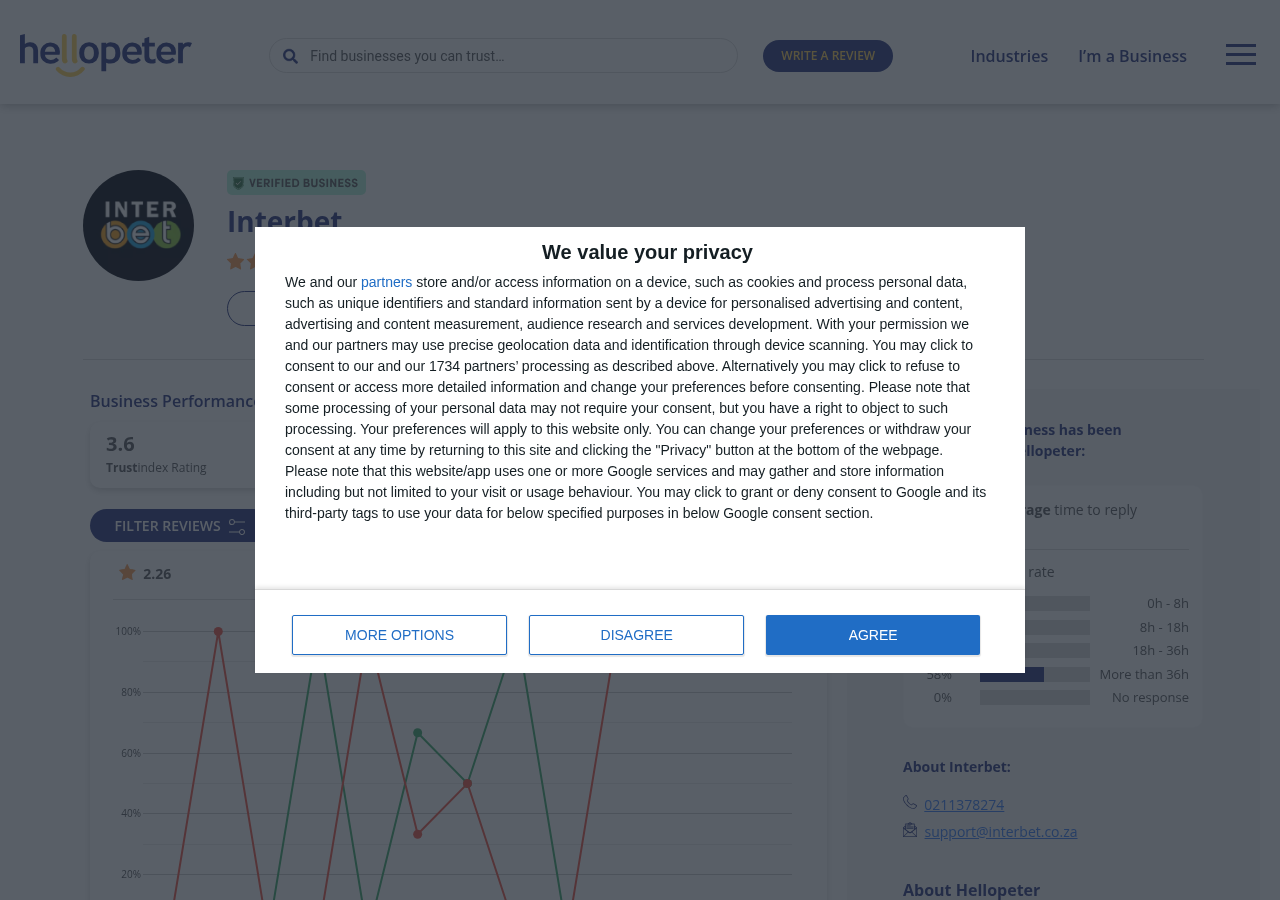
The user-report source provides dated context from HelloPeter. Individual reviews are allegations and are not proof of a breach, fraud, non-payment or general performance pattern. They can indicate questions worth checking, but they should not be converted into a definitive complaint finding. The supplied evidence does not establish that any reported allegation was upheld by a competent authority.
For a payment or account dispute, keep the domain, account identifier, relevant terms, deposit and withdrawal references, correspondence, dates, screenshots and the exact wording of any response. Avoid editing the original files. A clear chronology helps distinguish a registration problem, verification request, payment issue or refusal from an unsupported general accusation.
The Board’s information says complaints may be submitted through its contact route with supporting evidence. That is the appropriate regulatory direction in the packet. It does not guarantee a particular result and does not prove that a complaint about this service has been accepted or decided. If money or personal documents are involved, use the regulator’s current instructions and do not publish sensitive information in a public review.
Clone, host and login checks
A reliable check starts with the address bar, not the logo. Type or independently confirm the intended domain, inspect spelling and top-level domain changes, and avoid assuming that a search result or advertisement is official. Compare the host shown at registration, login and payment stages. A redirect or a different host should be recorded and investigated before credentials or funds are supplied.
Next, compare the operator details. Look for the legal entity, contact information, governing terms and any local licence reference. The evidence packet does not establish the exact Namibian entity, so a name that merely resembles the brand is insufficient. Do not reuse a password from another service, and do not share one-time codes with a person claiming to provide support.
| Clone warning | Why it matters | Response |
|---|---|---|
| Altered spelling | A lookalike host may imitate the brand | Stop and verify the address independently |
| Different top-level domain | Country and contracting arrangements may differ | Recheck local authorisation |
| Urgent payment request | Pressure reduces time for verification | Do not pay until the request is confirmed |
| Unrequested document demand | Personal data may be exposed | Confirm the official channel first |
| Payment recipient mismatch | The recipient may not be the contracting party | Ask for a documented explanation |
Evidence chronology and limits
The chronology begins with the operator material checked on 28 August 2026, which shows the exact domain and brand but not a Namibian licence. The same date applies to the dated user-report context, which remains allegation-level material. The official Board FAQ supplies the licensing and complaints framework. The legislation supplies the statutory structure and licence categories. The Ministry page supplies historical information dated 2016, including the former framework, moratorium and historic licence counts.
These sources have different roles. An operator source can describe its own service, but it is not an independent licence register. User reports can record experiences, but they are not adjudications. Primary legal and regulatory sources explain the framework, but a general rule is not an exact licence match. Combining those roles without distinction would overstate the evidence.
| Source role | Supplied record | Use in this assessment |
|---|---|---|
| Operator | NAM-PRI-INTERBET | Domain and brand identification |
| User context | NAM-CTX-INTERBET | Dated allegations and questions for checking |
| Regulator | NAM-OFF-001 | Licensing and complaint-route framework |
| Legislation | NAM-OFF-003 | Definitions, categories and Board framework |
| Historical ministry record | NAM-OFF-004 | 2016 background, not current authorisation |
How to reach a firmer conclusion
A stronger green assessment would require current primary evidence matching the precise domain, the responsible entity and the relevant Namibian permission. The record should be current, attributable to the competent authority and sufficiently specific to distinguish this host from another service using the same brand. A red assessment would require an official adverse record or corroborated documented evidence meeting that threshold. Neither is supplied here.
If the operator supplies a licence claim, verify it independently with the Board rather than accepting a copied certificate or an image. Ask which entity contracts with Namibian customers and whether interbet.co.za is the approved host. If the answer cannot be confirmed, keep the assessment amber and treat deposits, document uploads and withdrawals as unresolved risks.
Corrections are welcome when supported by dated primary evidence. A correction should identify the exact host, entity, licence reference, issuing authority and date, without exposing account numbers or identity documents. The assessment can then be reconsidered against the same evidence hierarchy. Until that happens, the fair conclusion is narrow: the domain and brand are shown, but current Namibian authorisation is not established.
Frequently asked questions
Is InterBet a scam or legitimate in Namibia?
The supplied evidence does not establish that the service is a scam, and it also does not establish a current Namibian licence. The correct signal is amber because the exact local entity and licence match remain open.
Is interbet.co.za licensed in Namibia?
No current primary Namibian licence match was located in the supplied packet. The operator source shows the domain and brand but does not prove Namibian authorisation.
Can I rely on an overseas licence or brand history?
No. An overseas-facing source or brand history does not establish that the precise host and contracting entity are authorised to serve customers in Namibia. Local confirmation is required.
Are the user reports proof that withdrawals fail?
No. The user-report source provides dated context, but individual reviews are allegations rather than proof. The packet contains no verified withdrawal test or competent-authority finding.
Where can I complain about a gambling operator?
The Gambling Board says complaints may be submitted through its contact route with supporting evidence. Preserve a clear chronology and follow the Board’s current instructions before sending sensitive material.
What should I check before depositing?
Confirm the exact host, the contracting entity, a current Namibian licence match, the applicable terms and the payment recipient. If any of those checks remains unresolved, do not treat the service as locally verified.
FNB Namibia