Melbet Namibia: licence, domain and risk review
An advert or message promoting Melbet can begin a journey through a social post, tracking link, application prompt or changing web address. The important question is not whether the advert looks convincing, but where the final address leads and which legal entity accepts the account.
Our evidence supports only an amber assessment. The brand domain responds, but the exact entity serving people in Namibia has not been established. No current primary record supplied for this review matches melbet.com and its serving entity to a Namibian gambling licence. That is an unresolved evidence gap, not proof that the service is a scam and not confirmation that it is legal locally.

Verdict: an open licence and operator question
| Check | Evidence available | Assessment |
|---|---|---|
| Brand address | An operator-source capture identifies melbet.com or its access response | Address identified, ownership chain unresolved |
| Namibian licence | No current primary match was located in the supplied records | Unverified |
| Serving entity | The exact company contracting with a Namibian customer is not established | Unverified |
| Complaints | A secondary commercial source summarises user-review themes | Context only, not a Namibian finding |
| Overall signal | Some relevant evidence exists, but the decisive local match is absent | Amber |
The amber signal means caution and verification are appropriate. It does not accuse the operator of fraud. Equally, the presence of a functioning domain, polished application or familiar payment screen cannot substitute for a current regulator record connecting the precise domain, company and licence.
Namibia’s framework matters because the Gambling Board of Namibia says gambling operators must be licensed. Its official FAQ also describes a complaint route requiring supporting evidence. Until a current primary record resolves the domain-to-entity-to-licence chain, claims that the service is definitely licensed for Namibia should be treated as unproven.
From mobile advert to final address
A mobile acquisition trail can hide important changes. A person may tap an advert, pass through a tracking address, see a prompt to install an application, and only later reach an account or payment screen. Each transition creates an opportunity for a different domain, intermediary or cloned interface to appear.
Record the journey before registering or paying. Start with a screenshot of the advert showing its date, account name and destination preview. Copy the destination without entering credentials, then compare the final hostname character by character with melbet.com. A subdomain ends with the recognised domain; a lookalike merely includes the brand wording elsewhere in the address.
| Stage | What to record | Warning sign |
|---|---|---|
| Advert | Publisher, date, wording and visible destination | Guaranteed winnings or pressure to act immediately |
| Redirect | Every hostname shown during the journey | Misspelling, unrelated domain or repeated unexplained redirects |
| Registration | Legal terms and named contracting company | Company identity missing or inconsistent |
| Application | Publisher and download origin | Installation file delivered through a chat or unknown host |
| Deposit | Merchant descriptor, currency and recipient | Recipient differs from the named operator without explanation |
Do not treat a padlock as a licence check. HTTPS protects a connection to the address displayed; it does not establish who is licensed to offer gambling in Namibia. Likewise, a search result, social-media verification badge or application-store listing does not prove the local regulatory position.
Hostname, entity and licence must form one chain
A meaningful legitimacy check needs three matching elements: the exact hostname, the legal entity operating the account, and a current licence covering the relevant activity and market. The supplied operator record identifies the brand domain or access response, but it does not resolve the exact entity serving Namibia.
The legal framework is not merely a list of brand names. The Gambling and Entertainment Control Act defines gambling, establishes licence categories and sets the Board framework. A reliable local claim therefore requires more than an offshore licence badge or a generic statement that the group is regulated somewhere.
Before depositing, look for the contracting company in the terms presented during registration. Record its complete legal name, registration details, physical or service address, governing law and named regulator. Then compare those particulars with a current primary record. If the terms change after a redirect, or different screens name different companies, stop and seek clarification.
Our supplied records do not establish a current Namibian licence for the precise domain and entity. They also do not establish that no licence could exist. The responsible conclusion is narrower: the necessary current match remains open.
What the official Namibian records establish
The primary sources describe the regulatory setting, but they do not complete the operator-specific chain. The Board’s FAQ states that gambling operators must be licensed and explains that complaints can be submitted with supporting evidence. The Act supplies the statutory structure and licence categories.
A Ministry page describes an earlier framework, a moratorium and historic licence counts. That record is dated 2016 and should not be presented as a current register. Its value is historical context, not proof of the service’s status in 2026. The Ministry’s historical summary must therefore be read with its age and scope in mind.
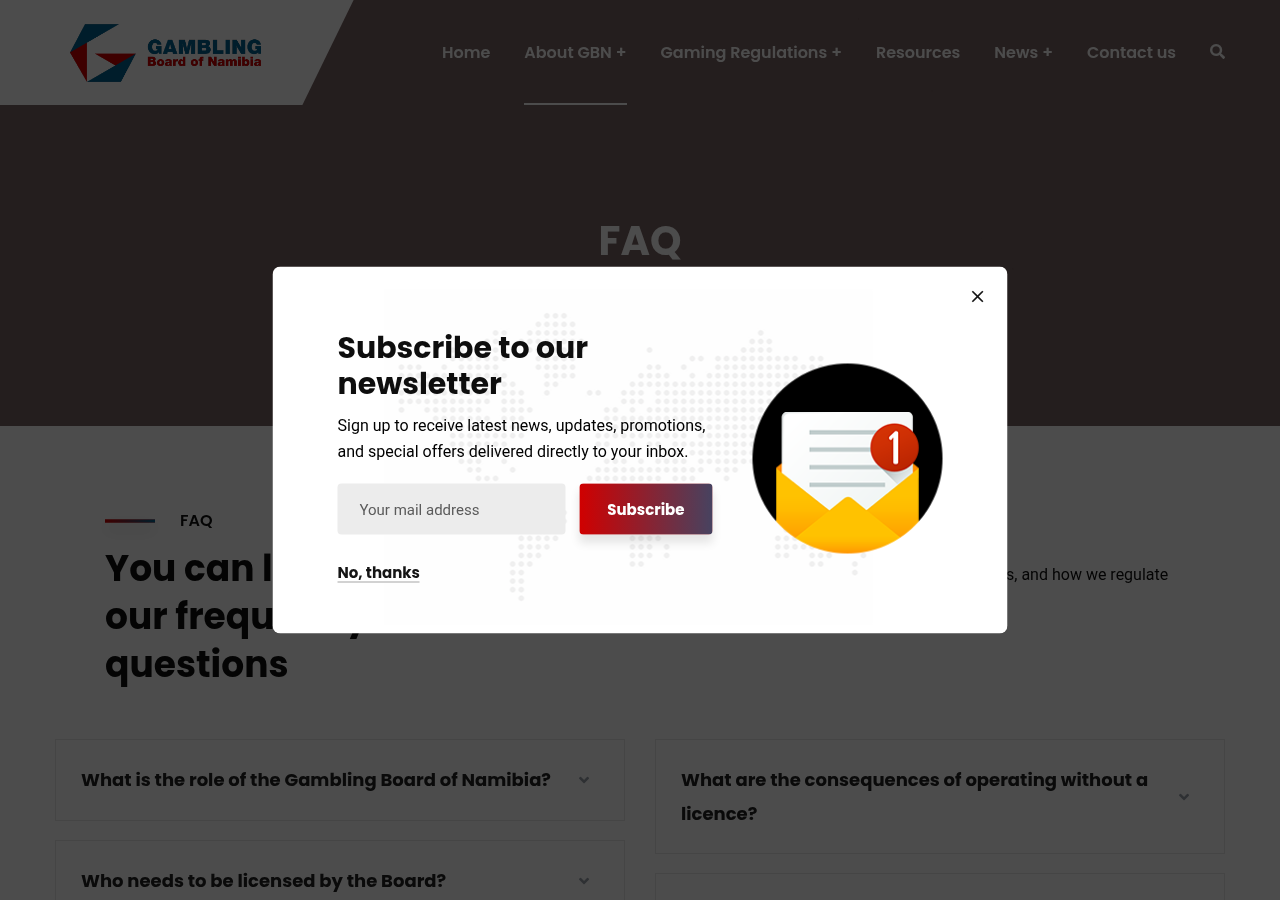
The absence of an operator-specific match in this packet prevents a green signal. A green assessment would require current primary evidence connecting the precise service address and contracting entity to the appropriate Namibian authorisation. An official adverse record could support red, but no such record is supplied here.
Payments, withdrawals and identity checks
No supported record in the packet establishes which deposit or withdrawal methods are offered to customers in Namibia, their fees, limits, processing times or currency-conversion rules. No withdrawal test was supplied. Any precise promise about speed or method availability would therefore be speculation.
Before paying, capture the cashier screen and terms visible to the account. Check the currency, minimum and maximum amounts, stated fees, eligible withdrawal route and identity requirements. The payment recipient or merchant descriptor should be retained because it may differ from the public-facing brand and can become important in a dispute.
| Payment question | Evidence status | Safer action |
|---|---|---|
| Which methods work in Namibia? | Not established | Verify inside the authenticated cashier before funding |
| How long do withdrawals take? | Not established; no test exists | Save the quoted timeframe before requesting payment |
| Are fees charged? | Not established | Check operator and payment-provider terms |
| Is identity verification required? | Exact process not established | Expect checks and avoid inconsistent account details |
| Who receives the deposit? | Not established | Save the recipient and merchant descriptor |
Identity checks can be legitimate, but sensitive documents should only be submitted after confirming the final hostname and contracting entity. Check what is requested, why it is needed, how it will be stored and whether a secure upload channel is provided. Do not send identity documents through an unsolicited chat contact.
Use the payment-check procedure to document terms before a deposit. If affordability, chasing losses or loss of control is already a concern, do not use the commercial route; consult responsible gambling support instead.
Complaint signals and what they do not prove
The supplied contextual source is commercial secondary material summarising themes from user reviews on independent platforms. Such reports can help identify questions worth asking, but they are not verified local findings. They cannot establish that a particular allegation happened, that it involved the same legal entity, or that the facts apply to a Namibian account.
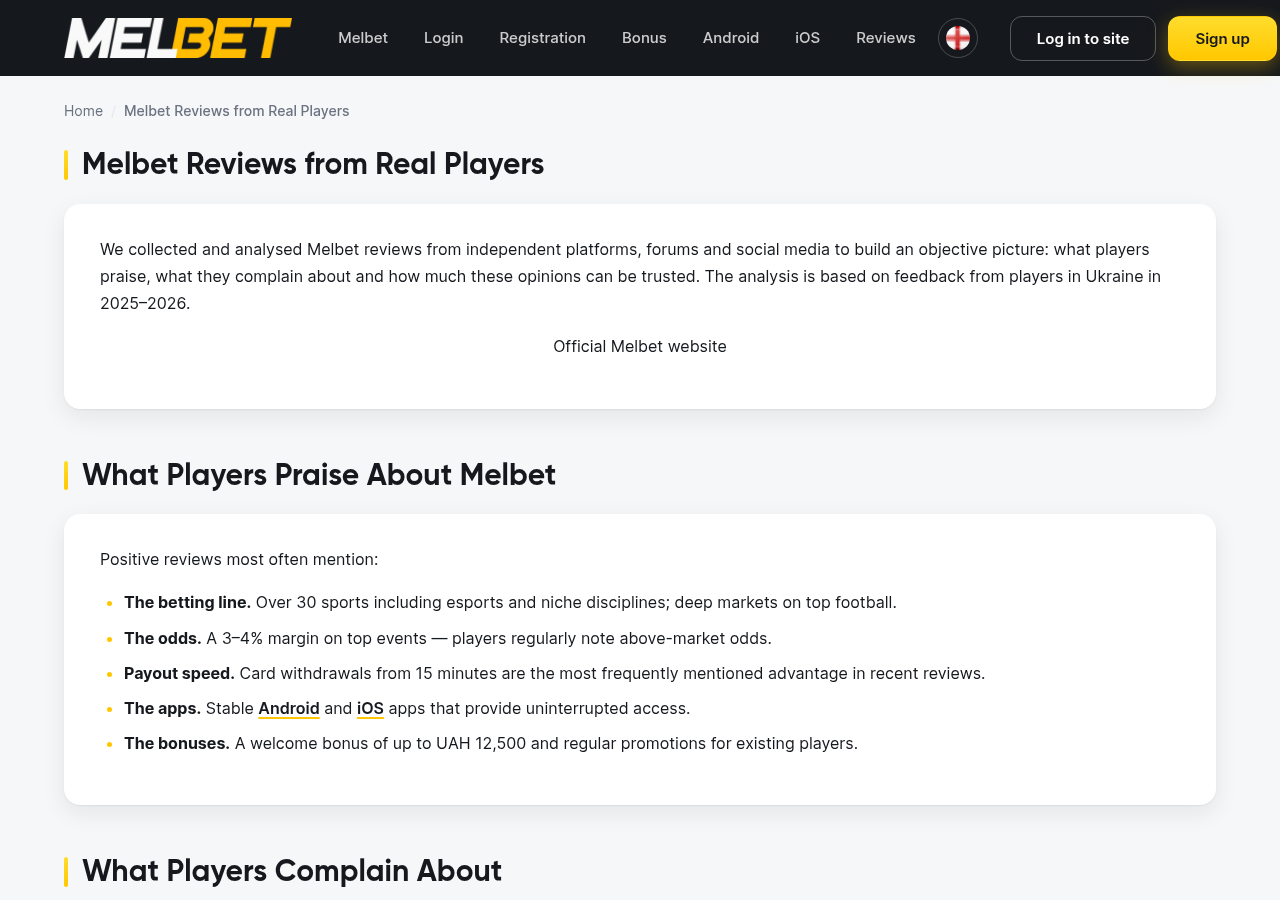
Treat each complaint as an allegation unless a competent dated record establishes the outcome. Useful details include the account date, exact hostname, transaction reference, amount and currency, verification requests, quoted rule, correspondence and final response. Remove unnecessary personal information from any copy shared beyond the complaint recipient.
A pattern of similar reports may justify deeper checking, but volume alone does not establish wrongdoing. Review platforms can mix countries, products, affiliates and entities. Positive ratings are also not a licence substitute. The correct approach is to preserve the account-specific evidence and compare the operator’s response with the terms that applied at the relevant time.
Clone and impersonation checks
Impersonation risk is particularly relevant when acquisition begins outside the final site. A clone may reproduce colours, promotional language or a login form while directing credentials and payments elsewhere. Brand appearance is weak evidence because visual elements can be copied.
Compare the hostname one character at a time. Watch for added hyphens, substituted letters, unusual domain endings and brand wording placed before an unrelated registered domain. A phrase such as “melbet” in the path does not make the underlying hostname genuine. Password managers can help because they normally fill credentials only on the saved address.
Never install a file solely because an advert, influencer or private message calls it the official application. Confirm the publisher and source independently. Avoid remote-access software, screen sharing and requests to disclose one-time passwords. A genuine support process should not require control of a customer’s device or disclosure of security codes.
If a suspected clone is encountered, do not log in or pay. Preserve the full address, screenshots, redirect trail, time and referral source. Change any reused password through a known address and contact the relevant payment provider promptly if money or card details were submitted. Further warning signs are listed under scam warnings.
How to escalate a dispute in Namibia
First send a concise written complaint to the operator using the contact route shown in the account or contractual terms. State the requested resolution, identify the transaction, attach relevant evidence and set a reasonable period for a written response. Keep the original files and send copies.
If the matter is not resolved, the Board’s FAQ indicates that complaints may be submitted through its contact route with supporting evidence. The regulator-facing file should distinguish facts from suspicions and identify the exact hostname and company shown to the customer. Our complaint checklist can help organise the chronology.
| Evidence item | Why it matters |
|---|---|
| Full hostname and dated screenshots | Identifies the service actually used |
| Account and transaction references | Connects the complaint to specific events |
| Terms captured at registration or payment | Shows the rules presented at the time |
| Deposit and withdrawal records | Documents amount, currency, recipient and status |
| Identity-check correspondence | Shows requests and responses without publishing documents |
| Final operator response | Establishes whether internal escalation was completed |
Do not send passwords, one-time codes or complete payment-card details in a complaint. Redact unrelated financial information. For an immediate financial or personal-safety concern, use urgent help rather than waiting for an ordinary review process.
Evidence chronology, limits and correction path
The historical Ministry material dates from 2016. The statutory text available through NamibLII is presented at 1 December 2021. The regulator FAQ and all records in this packet were checked on 28 August 2026. These dates matter because regulatory status, domains, terms and corporate arrangements can change.
Our method gives primary records more weight than operator statements and gives operator statements more weight than unverified user context for claims the operator controls. User reports are retained only as contextual signals. The full hierarchy is explained in the review methodology.
| Source role | What it can support | What it cannot establish here |
|---|---|---|
| Namibian primary records | Legal framework and official complaint guidance | A current licence match not shown in those records |
| Operator source | Brand address or access response | Independent confirmation of local authorisation |
| User context | Themes that may merit investigation | A proven breach or Namibian regulatory conclusion |
Material unknowns include the exact entity serving Namibia, its current local authorisation, payment methods, withdrawal performance, fees, verification sequence and outcome of any specific complaint. International complaint material cannot resolve those local questions.
Corrections supported by a current regulator entry, licence document, dated contractual terms or other competent record can be submitted through contact. The correction should include the source, date, exact domain and legal entity. Commercial claims or undated screenshots alone will not turn an open match into a verified one.
If, after completing these checks, you choose to proceed, Open catalogue comparisons. Confirm the destination address and terms again before creating an account or transferring money.
Frequently asked questions
Is Melbet a scam or legit in Namibia?
The supplied evidence does not prove that it is a scam, but it also does not establish a current Namibian licence match for the precise domain and serving entity. The appropriate assessment is amber while that evidence remains unresolved.
Is melbet.com licensed in Namibia?
No current primary record supplied for this review matches melbet.com, the exact entity serving Namibia and a Namibian gambling licence. That is an unverified status, not proof that no licence exists.
Does a working website or application prove legality?
No. A functioning service, HTTPS connection or application listing does not prove local authorisation. The hostname, contracting entity and current licence must match in primary records.
Which payment and withdrawal methods are available?
The evidence packet does not establish methods, fees, limits or processing times for Namibia, and no withdrawal test exists. Check the authenticated cashier and save the terms shown before depositing.
How should a complaint be documented?
Keep the full hostname, dated screenshots, account and transaction references, applicable terms, correspondence and final response. Submit a concise complaint to the operator first, then follow the Gambling Board of Namibia route with supporting evidence if necessary.
What should I do if an advert sends me to another domain?
Stop before logging in or paying. Record the advert, redirects and final hostname, compare the address character by character, and do not install files or share security codes through an unsolicited contact.
FNB Namibia