PstBet Namibia: operator, domain and licence evidence
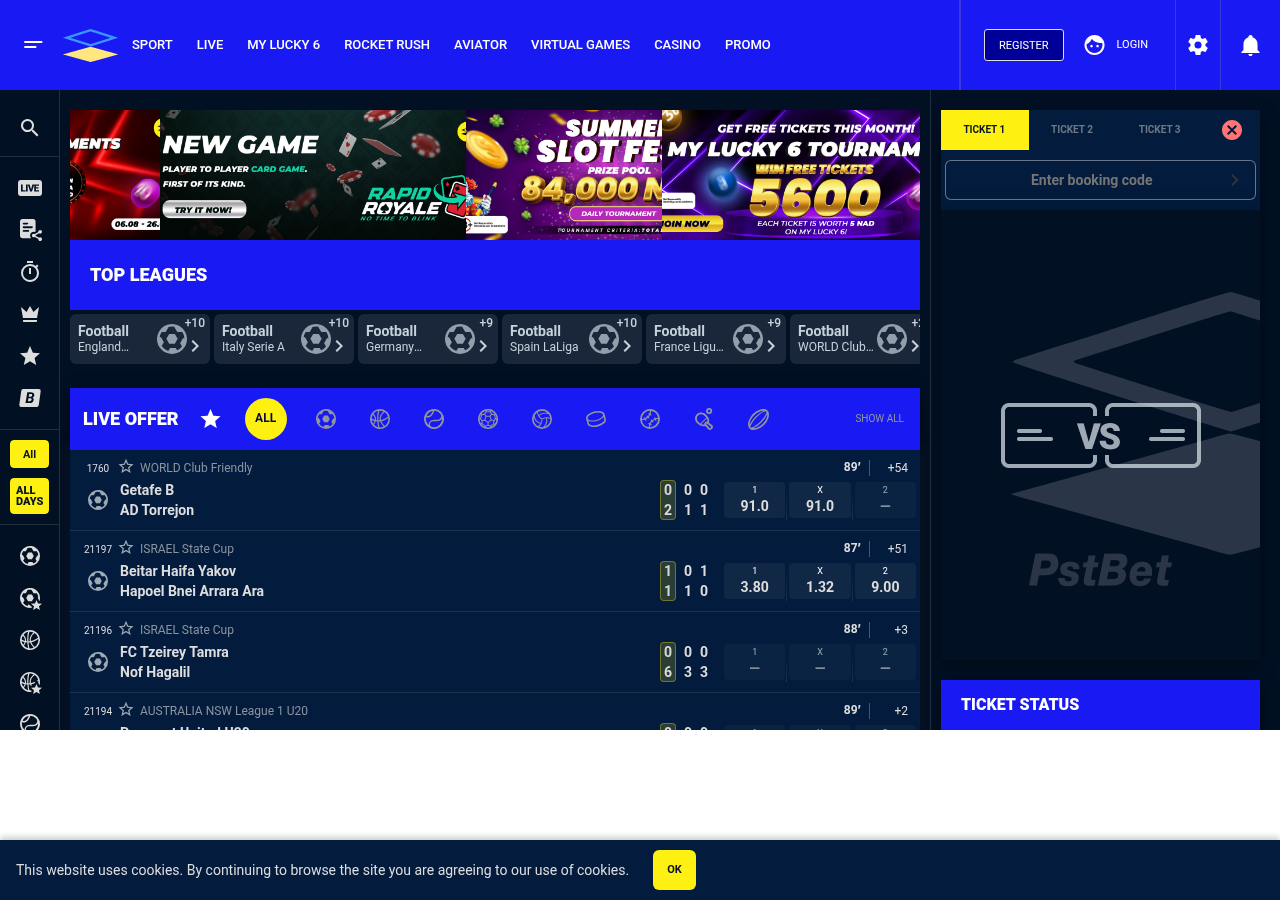
The central question is not whether the PstBet name appears online, but whether the brand, operating entity, exact website address and Namibian licence can all be connected through current evidence. The supplied records confirm that pstbet.na presents a Namibia-facing service. They do not establish a current public licence record that links this exact domain to a named licence holder.
That missing connection matters. A familiar brand name, local domain and functioning interface do not independently prove who receives deposits, who owes withdrawals or which legal entity must answer a complaint. The present signal is therefore amber: the local service exists, but its full operator-and-licence chain remains open.

Verdict at a glance
| Question | Evidence position | Practical meaning |
|---|---|---|
| Is the exact local domain visible? | Yes, the operator capture shows pstbet.na. | Check that exact spelling before entering account details. |
| Is a current Namibian licence tied to that domain? | Not in the supplied records. | Do not treat the local domain alone as proof of licensing. |
| Is the exact licence-holder entity established? | No independent match was supplied. | Confirm the legal name before making a material deposit. |
| Are payment and withdrawal tests available? | No verified transaction test was supplied. | Speed, fees and reliability remain unverified. |
| Overall signal | Amber, based on open evidence. | Proceed only after resolving the identity and licence gaps. |
Amber is not a finding that the service is unlawful or fraudulent. It records that material verification remains incomplete. Red would require an official adverse record or corroborated documented evidence, neither of which is in the packet. Green would require current primary evidence supporting the precise domain and entity, which is also absent.
Brand, operator and exact host are separate checks
Three identifiers must not be collapsed into one. PstBet is the consumer-facing brand. pstbet.na is the exact host shown in the operator material. The supplied description associates the service with the Premier Sports Trading brand, but it does not independently identify a licence-holder entity whose legal name can be matched to both the host and a current Namibian authorisation.
| Identity layer | What is supported | What remains unknown |
|---|---|---|
| Brand | The name appears with the Namibia-facing service. | Whether every use of the name online belongs to the same organisation. |
| Host | pstbet.na is shown in the current operator capture. | Whether another similar address is authorised or connected. |
| Commercial identity | A Premier Sports Trading brand association is supplied. | The exact company that contracts with a Namibian customer. |
| Licence holder | No exact holder was independently matched. | Licence number, category, status, issue date and expiry date. |
| Payment recipient | Not identified in the accepted evidence. | The name that should appear on a bank, wallet or card record. |
Before registration, record the full address in the browser, the legal name shown in the terms, the named payment recipient and any licence number or category. Those details should agree. A different company name is not automatically improper, but it requires an understandable contractual or corporate explanation. If the cashier, terms and support team provide conflicting names, postpone payment and use the licence-check procedure.
Licence and legal position in Namibia
The official framework supplies a general rule, not a brand-specific approval. The Gambling Board of Namibia states in its official licensing and complaints guidance that gambling operators must be licensed and that complaints may be submitted through its contact route with supporting evidence. The Gambling and Entertainment Control Act defines gambling, provides licence categories and establishes the Board framework.
Those primary records explain what should exist around a lawful operation. They do not, in the accepted material, name pstbet.na as the domain of a current licensee. No licence number, category, issue date or expiry date has been independently tied to the exact host. It would therefore be inaccurate to call the service licensed on the strength of the local interface alone. It would be equally inaccurate to declare it illegal without a competent finding addressing this operation.
The Ministry’s casinos and gambling houses record concerns the former framework, a moratorium and historic licence counts. It is dated 2016 and is useful for historical context only. It should not be treated as a current register or as evidence for or against this particular online service.
| Record | What it supports | What it does not support |
|---|---|---|
| Board guidance | Operators require licensing; complaints can be lodged with evidence. | A licence for this exact domain. |
| 2018 Act, version dated 2021-12-01 | Definitions, licence categories and Board structure. | Current status of a particular operator. |
| Ministry material dated 2016 | Historic framework, moratorium and counts. | A current online-domain approval. |
| Operator capture checked 2026-08-28 | The local host and service interface were present. | Independent proof of the legal entity or licence. |
A defensible legal check needs a current primary record containing enough identifiers to connect the licence holder, trading name and exact host. Until that appears, the legal-status answer remains unresolved rather than positive or adverse.
Payments, withdrawals and account verification
No supported record identifies the available deposit methods, withdrawal channels, processing times, fees, limits or currency treatment. No controlled deposit or withdrawal test was supplied. Claims about instant payouts, mobile-wallet support, card acceptance or cash availability would therefore be speculation.
The most important payment question is ownership: who receives the money? Before depositing, compare the legal entity in the account terms with the recipient shown at the final payment step. Preserve the amount, date, transaction reference and recipient name. If the recipient changes between deposits, ask for a written explanation before sending more funds.
| Stage | Evidence to retain | Warning requiring clarification |
|---|---|---|
| Deposit | Cashier screen, amount, fee, recipient and reference | Recipient name does not match any disclosed entity. |
| Verification | Document request, submission time and support response | New requirements appear only after withdrawal. |
| Withdrawal | Requested amount, method, status and timestamp | Cancellation or reversal occurs without a stated reason. |
| Escalation | Account ID, transaction history and correspondence | Support refuses to identify the contracting company. |
Verification requirements are also unknown. A gambling service may request identity, age, address or payment-ownership evidence, but the accepted packet does not establish this operator’s exact rules. Check those requirements before depositing, redact nothing unless instructed through a verified channel, and avoid sending sensitive documents through an address or messaging account that cannot be connected to the exact host.
Use the payment-check checklist to compare the recipient, fees and withdrawal conditions before committing a significant balance. A small initial transaction can reduce exposure, but it does not prove future withdrawals will succeed. Never deposit more merely because support says a further payment is needed to release existing funds without a clear contractual basis.
Complaint recipient and evidence route
A useful complaint starts with the party that can remedy the issue. Here, the exact legal recipient remains uncertain. Begin with the service’s support channel while asking it to state the full legal entity responsible for the account, the applicable licence details and a complaint reference. Keep the request factual and distinguish a delayed transaction from an allegation of misconduct.
If the response does not resolve the matter, the Board says complaints can be submitted through its contact route with supporting evidence. A concise file should include the exact domain, account identifier, disputed amount, relevant dates, transaction references, requested remedy and copies of correspondence. Do not send passwords, one-time codes or unnecessary full payment credentials.
A sensible escalation sequence is:
- Capture the exact host and relevant account or cashier screen.
- Send a written complaint to the service and request a reference number.
- Ask for the contracting entity and licence details in writing.
- Allow the stated response period, if one is disclosed.
- Organise records chronologically and remove irrelevant personal data.
- Use the complaint guide for escalation options and evidence structure.
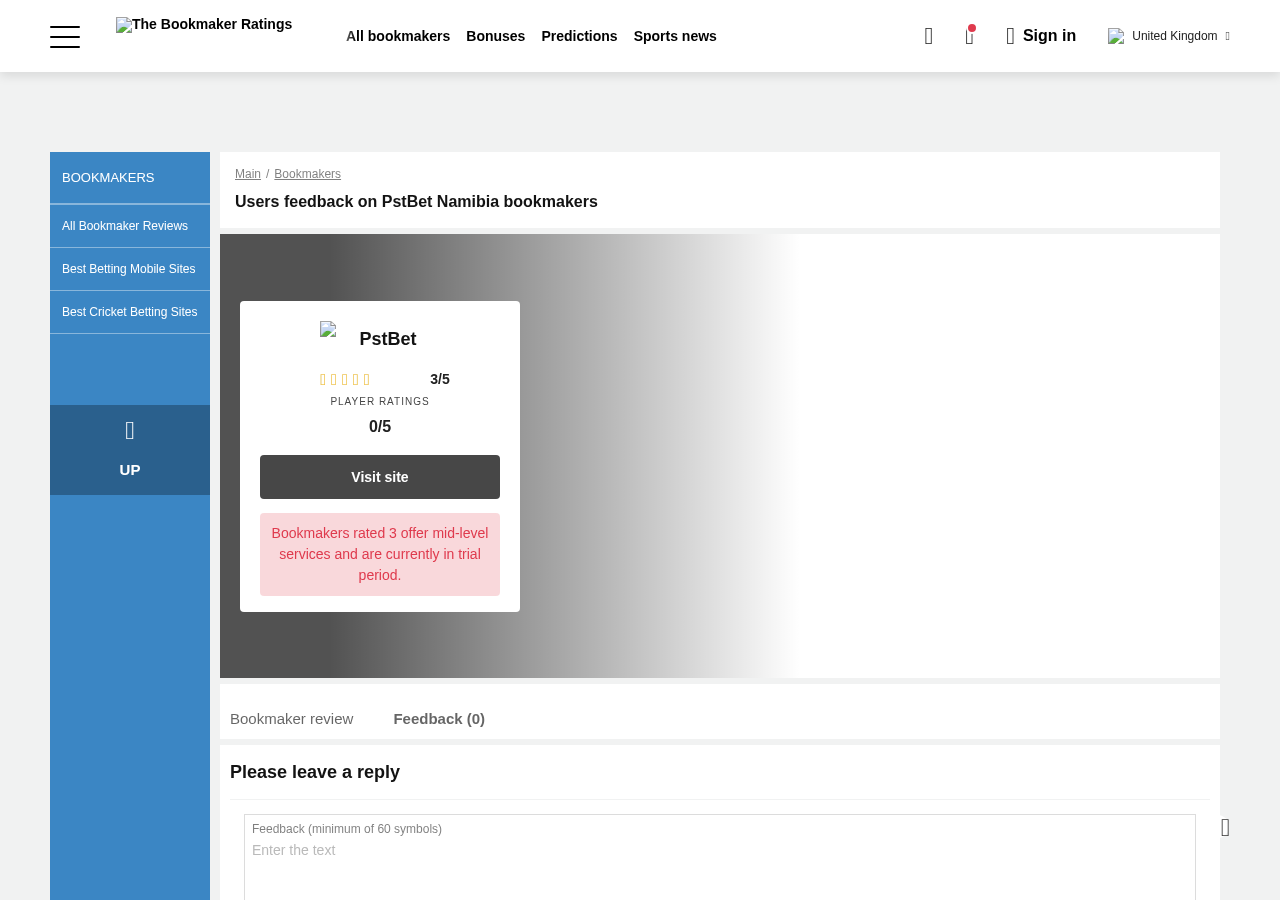
User reports can indicate issues worth investigating, but they do not establish what happened in another account. The supplied feedback capture is contextual only. It cannot prove general withdrawal reliability, licence status or wrongdoing. A regulator, court or other competent source would carry a different evidentiary weight.
Clone, impersonation and scam checks
The accepted operator record identifies pstbet.na. That does not authenticate a lookalike spelling, extra subdomain, shortened address, social-media profile or unsolicited application file. A cloned interface can reproduce colours and layout while directing credentials or payments elsewhere.
Type or use a previously verified address rather than following a message link. Inspect the full host before signing in, especially on a small screen where part of the address may be hidden. A padlock only indicates an encrypted connection to the displayed host; it does not prove licensing, ownership or honest conduct.
Treat an unexpected change of payment recipient, support number or document-submission channel as a reason to stop. Compare the change against information reached independently through the exact host. Never disclose a password or one-time code to someone claiming that it is needed to process a withdrawal.
Warning signs include pressure to act immediately, promises of guaranteed returns, requests to pay a release fee to a personal account, refusal to identify the legal entity and instructions to install remote-access software. These are general risk indicators, not findings about the named service. If impersonation is suspected, preserve the address and message headers and consult the scam-warning checklist.
Continue through the catalogue
Evidence chronology and unresolved points
The evidence should be read by date and role. The 2016 Ministry material is historical. The Act supplies the later statutory framework. On 28 August 2026, the accepted captures and source checks confirmed the local interface, official complaint guidance and contextual feedback, but did not produce a current public domain-to-licensee match.
| Date | Evidence event | Weight for the verdict |
|---|---|---|
| 2016 | Ministry material records the former framework, moratorium and historic counts. | Background only; not current brand evidence. |
| 2021-12-01 | Supplied version date for the 2018 Act. | Primary framework evidence. |
| 2026-08-28 | Exact local host and interface checked. | Operator evidence that the service was presented locally. |
| 2026-08-28 | Board guidance checked. | Primary evidence for licensing and complaint principles. |
| 2026-08-28 | Dated user-feedback context checked. | Contextual leads only. |
The unresolved list is substantial: exact licence-holder company, licence number and category, current status and expiry, contractual operator, payment recipient, supported methods, fees, limits, withdrawal performance and verification rules. None should be filled with assumptions based on the brand name or on another country’s operation.
The amber rating can change. Current primary evidence matching the exact domain and legal entity could support a greener assessment. An official adverse decision or properly corroborated documented evidence could support red. Corrections should identify the disputed statement and provide a dated primary record through the contact route.
Practical conclusion
PstBet has an identifiable Namibia-facing host, but the supplied packet does not close the identity map from brand to legal operator, payment owner and current licence holder. That is the decisive limitation. The evidence does not justify calling the service a scam, yet it also does not justify presenting it as independently verified or currently licensed for the exact domain.
Anyone considering an account should first obtain the legal entity, licence details, payment-recipient name and applicable withdrawal rules in a durable form. Compare those identifiers rather than relying on visual branding. Keep transaction records from the first deposit and avoid maintaining a larger balance than necessary.
For readers who have completed those checks and accept the unresolved evidence position, Open checked options. This is the only commercial route provided and does not alter the amber assessment.
Frequently asked questions
Is PstBet licensed in Namibia?
The supplied primary records explain that gambling operators must be licensed, but they do not provide a current licence entry matching pstbet.na to an exact legal entity. Its licence status therefore remains unverified in this evidence set.
Is PstBet a scam or legitimate?
Neither conclusion is established. The local host and service interface are documented, but the operator-and-licence match is incomplete. There is no supplied official adverse finding, so the appropriate signal is amber rather than red or green.
Which website address was checked?
The operator material checked on 28 August 2026 shows pstbet.na. Similar spellings, extra subdomains, social-media profiles and application links were not authenticated by that capture.
Are deposits and withdrawals verified?
No. The accepted evidence contains no controlled transaction test and does not establish payment methods, fees, limits or processing times. Check the recipient name and withdrawal rules before depositing.
What documents may be required for verification?
The supplied records do not state this service’s exact verification requirements. Confirm the required identity, address and payment-ownership documents through a channel connected to the exact host before sending sensitive material.
Where can a complaint be taken?
Start with the service and request a written response, legal-entity details and a complaint reference. If unresolved, the Gambling Board of Namibia says complaints may be submitted through its contact route with supporting evidence.
FNB Namibia