SportPesa Namibia: Licence, KYC and Withdrawal Review
Verdict: SportPesa has a Namibia-facing sports-betting landing page at namibia.sportpesa.com, but the evidence reviewed does not establish a current Namibian licence for that exact host or identify its local contracting operator. The signal is amber, not a finding that the site is either authorised or unlawful. No deposit, KYC or withdrawal test has been completed, so payout performance and account handling remain unverified.
SportPesa Namibia evidence at a glance
The central issue is not whether a page uses Namibian branding. It is whether a competent primary record connects the precise domain, operator and gambling activity. The Gambling Board of Namibia says gambling operators require a licence, while Namibia’s legislation supplies the broader licensing framework. Neither supplied primary record functions as a searchable current register that matches this SportPesa subdomain to a named licence holder.
| Question | Evidence available | Assessment |
|---|---|---|
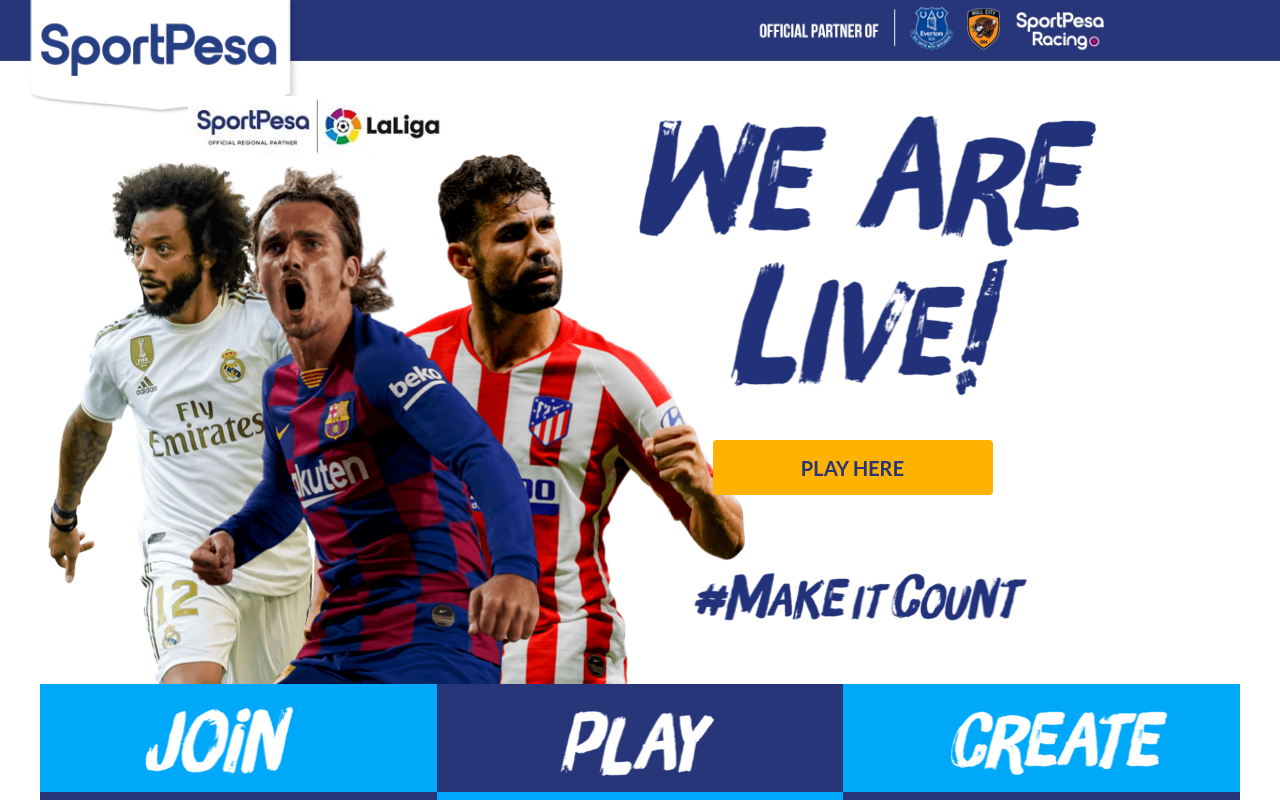
| Is there a Namibia-facing SportPesa page? | Yes. The published by the operator subdomain presents a country-facing sports-betting landing page. | Confirmed as a first-party presentation, not as regulatory approval. |
| Is a current Namibian licence tied to the exact host? | No accepted record in the available evidence makes that match. | Open evidence; verification is still required. |
| Is the local contracting company identified? | The global terms name SP International Limited for the global website, but an exact contractual match to the Namibia subdomain is absent. | Do not transfer the global operator identity automatically. |
| Have deposits or withdrawals been tested? | No controlled transaction evidence was supplied. | Processing time, fees and payout reliability are unknown. |
An amber signal reflects those unresolved links. It is not a recommendation to deposit, and it is not a scam allegation. Readers who want to understand how domain-to-licence matching works can consult the licence-check process.
What the Namibian regulatory records establish
The Gaming and Entertainment Control Act, 2018 provides Namibia’s statutory licensing framework and includes online games within its definitions. That is important legal context, but a statute does not certify individual websites. A separate, current connection is needed between the licence holder, the approved activity and the domain being used.
The Gambling Board of Namibia FAQ states that gambling operators need a licence and describes a written complaint route. The FAQ is a primary authority statement about requirements and procedure. It is not, on the evidence supplied, a searchable live register showing that namibia.sportpesa.com belongs to a current licensee.
| Evidence type | What it can support | What it cannot support here |
|---|---|---|
| Namibian legislation | The existence and scope of the statutory licensing framework. | A claim that SportPesa’s Namibia host currently holds a licence. |
| Board FAQ | The regulator’s general licence requirement and written complaint pathway. | A domain-specific approval where no matching register entry is shown. |
| Operator landing page | That SportPesa presents a Namibia-facing offering. | Independent proof of authority, ownership or eligibility for every Namibian resident. |
| Global terms and FAQ | What SportPesa says about its global website and historical services. | Automatic proof of the Namibia subdomain’s contract, payment options or licence. |
No accepted third-party reporting was supplied for a licensing, payment or complaint conclusion. Consequently, the assessment rests on the two primary sources and clearly labelled operator statements. Rumours, search snippets and unattributed user claims are not treated as findings.
The exact-domain problem
The assessed address is the Namibia subdomain, not the global sportpesa.com website in the abstract. That distinction matters because a shared brand does not necessarily mean that every country host uses the same legal entity, terms, licence, wallet or dispute process. Country-specific restrictions can also differ.
Before opening an account, a prospective customer should be able to find a coherent contractual chain. The footer, registration flow and terms presented during sign-up should identify the same operator. Any displayed licence number should be checkable against an authoritative record, and that record should cover the relevant product and domain. A brand name by itself is not enough.
| Item to match | What a satisfactory match would show | Current position |
|---|---|---|
| Exact host | namibia.sportpesa.com appears in, or is expressly covered by, a competent licence record. | Not established. |
| Legal operator | The company accepting the customer and funds is named consistently. | Not established for the Namibia host. |
| Licence details | Number, status, activity and holder can be independently checked. | No domain-matched current record supplied. |
| Contract version | Dated local terms govern the account and identify applicable jurisdiction. | No exact local contractual match supplied. |
| Complaint route | Internal escalation and competent external authority are clearly identified. | The Board describes a general written route; the operator-specific path is unverified. |
If these elements conflict or are missing, take screenshots and pause before providing identity documents or money. The practical standard is consistency across the exact host, the sign-up contract and the primary licensing record.
Why the global terms do not settle the contract
The global SportPesa terms identify SP International Limited and address the global website. That is a first-party statement for the context in which those terms appear. It cannot safely be imputed to the Namibia subdomain without evidence that the local registration flow incorporates the same contract and accepts customers through the same company.
This gap affects more than the operator’s name. Contract terms usually determine account eligibility, verification duties, wallet treatment, bonus conditions, withdrawal controls, governing law and dispute procedure. None of those details should be copied from a separate host merely because the brand is the same.
A user considering registration should capture the terms shown immediately before acceptance and note their date or version. Check whether the company name in those terms agrees with the account, payment descriptor and privacy information. If the Namibia flow redirects elsewhere, record both the original and destination hosts. A redirect can be operationally normal, but it does not remove the need for a clear contract.
Until an exact match is available, SP International Limited should not be described as the confirmed operator of the Namibia subdomain. The applicable jurisdiction, account contract and dispute venue likewise remain open questions.
KYC and account verification: what remains unknown
No accepted evidence describes a current Namibia-specific know-your-customer process for this host. It would therefore be unsafe to claim which documents are required, how long checks take, when enhanced verification occurs or whether a particular document format will be accepted.
Verification can affect access to funds, so essential questions should be answered before depositing:
- Which legal entity receives and stores identity documents?
- Which documents are accepted for identity, age and residential-address checks?
- Can verification be completed before a deposit rather than only at withdrawal?
- What happens if account details differ from the payment account?
- Is there a documented process for correcting personal information?
- Which complaint channel applies if verification remains unresolved?
Do not send identity documents through an address or messaging account that cannot be verified from the authenticated service. Keep copies of what was submitted and the date, but store them securely. Redact information only where the operator expressly permits it; otherwise an altered document may be rejected.
If verification requests change after submission, ask for the requirement and reason in writing. That creates a usable record without assuming that a delay proves misconduct. For broader safety controls and limits, see responsible gambling support.
Payments and withdrawals are not tested
The available evidence does not establish a current local list of deposit or withdrawal methods. The global FAQ mentions Namibia in a Neteller country list, but it is historical, belongs to the global website and is not a transaction test. It does not prove that Neteller is currently available through the Namibia host.
No successful payout, failed payout, processing time, fee, exchange-rate outcome or source-of-funds review has been verified. Statements about “fast withdrawals” or payment reliability would therefore go beyond the evidence.
| Payment issue | Verified position | Practical check before payment |
|---|---|---|
| Available methods | Unknown for the exact host. | Read the authenticated cashier and record method-specific terms. |
| Minimum or maximum amounts | Not established. | Check limits for both deposits and withdrawals. |
| Fees and currency conversion | Not established. | Compare the displayed amount, account currency and provider charge. |
| Withdrawal processing time | Untested. | Distinguish operator processing from bank or wallet settlement. |
| Name matching and KYC | No local rule verified. | Use only an account in the customer’s own name and confirm requirements first. |
A cautious transaction record includes the cashier screen, amount, currency, payment reference, status changes and correspondence. Never interpret a pending status alone as proof of refusal. If money is delayed, first establish whether the request is pending, cancelled, reversed or marked complete. The payment-check guide explains how to document those distinctions.
Trust assessment and evidence boundaries
The amber rating follows from open evidence: there is a visible regional offering, but no supplied primary record ties the precise host to a current Namibian licence. Amber does not mean the same thing as red. A red signal would require an official adverse record or corroborated documented evidence meeting a higher threshold. Neither has been supplied here.
| Signal factor | Status | Reason |
|---|---|---|
| Regional presence | Confirmed | The published by the operator subdomain presents a Namibia-facing landing page. |
| Exact licence match | Open | No current official record supplied matches host, holder and activity. |
| Contracting entity | Open | Global terms cannot automatically identify the local counterparty. |
| Payments and payouts | Open | No controlled deposit or withdrawal evidence exists. |
| Official adverse finding | None supplied | No adverse regulatory or court outcome is part of the accepted record. |
First-party material proves only what the operator presents. Primary regulatory material establishes legal requirements and official procedure, but only a domain-specific current record can resolve the licensing question. No third-party report has been accepted as evidence, and unverified user issues cannot be converted into facts.
How to document and escalate a problem
If an account, KYC or withdrawal issue arises, preserve evidence before escalating. Record the exact URL, account identifier, relevant dates, amount and currency, transaction references, status messages and complete correspondence. Describe events chronologically and separate what the interface displayed from what support said.
- Send the operator a concise written complaint and state the remedy requested.
- Ask for a complaint reference and a final written response.
- Retain original files and full screenshots rather than cropped fragments.
- Identify the contracting company and licence claimed in the accepted terms.
- If unresolved, assess whether the Gambling Board’s written complaint route applies.
The Board’s FAQ describes a written complaint route, but jurisdiction should not be presumed where the operator and licence remain uncertain. Supply documents rather than conclusions, and do not claim fraud merely because support is slow or verification is requested. The complaint preparation guide provides a structured evidence checklist. Urgent concerns about gambling harm should be handled through urgent help resources, not through a payment dispute alone.
Frequently asked questions
Is SportPesa licensed in Namibia?
The available evidence does not establish a current Namibian licence tied to namibia.sportpesa.com. The Gambling Board says operators need a licence, but its FAQ is not a searchable domain-to-licensee register. The status therefore remains unverified.
Does the Namibia landing page prove local authorisation?
No. It proves that SportPesa presents a country-facing landing page. A regional page is an operator statement, not independent evidence that a competent authority has licensed the exact domain and operator.
Is SP International Limited the confirmed Namibia operator?
No exact match has been established. Global SportPesa terms identify SP International Limited for the global website, but those terms cannot automatically be transferred to the Namibia subdomain without evidence that its registration contract incorporates them.
Which payment and withdrawal methods does SportPesa Namibia support?
No current local method list has been verified. A historical global FAQ mentioning Namibia in a Neteller list does not establish present availability, fees, limits or withdrawal support on the Namibia host.
Have SportPesa Namibia withdrawals been tested?
No. There is no verified successful or failed payout test, so withdrawal speed, fees, verification handling and reliability cannot be rated from the available evidence.
What should I do if I have an unresolved SportPesa complaint?
Complain to the operator in writing, request a reference and preserve the terms, transaction records and correspondence. The Gambling Board of Namibia describes a written complaint route, but confirm that the matter and operator fall within its jurisdiction.