BetWinner in Namibia: licence, risks and checks
What the evidence shows
The available evidence does not establish that BetWinner is a scam, and it does not establish a current Namibian licence for the service. The responsible conclusion is therefore open evidence: the brand domain is identifiable, but the exact operator serving Namibia and its local licence position remain unresolved.
That distinction matters. A gambling service can be recognisable internationally while still leaving local customers without a verified answer about the entity accepting their account, the law applying to the transaction, or the authority responsible for a complaint. Before depositing, treat the service as unverified for Namibian licensing purposes rather than treating the absence of a located licence match as proof of illegality.
The review uses records checked on 28 August 2026. It separates primary material, an operator-domain record and a user report. A user complaint is an allegation, not a finding of misconduct.

The short decision memo
| Question | Evidence-based answer | Practical meaning |
|---|---|---|
| Is the brand identifiable? | The supplied operator record shows the brand domain or an access response. | Check the address carefully before entering credentials or payment information. |
| Is a current Namibian licence matched? | No current primary Namibian licence match was located. | Do not rely on a licence claim unless it matches the exact domain and operating entity. |
| Is it proven to be a scam? | No. The evidence does not support that conclusion. | Amber means unresolved verification, not a criminal finding. |
| Is there a complaint signal? | A forum records a document-verification complaint. | It is user context and must not be treated as proof of wrongdoing. |
| Can the Namibian operator be named? | No. The exact entity serving Namibia is not established. | Keep the operator identity open until a primary record resolves it. |
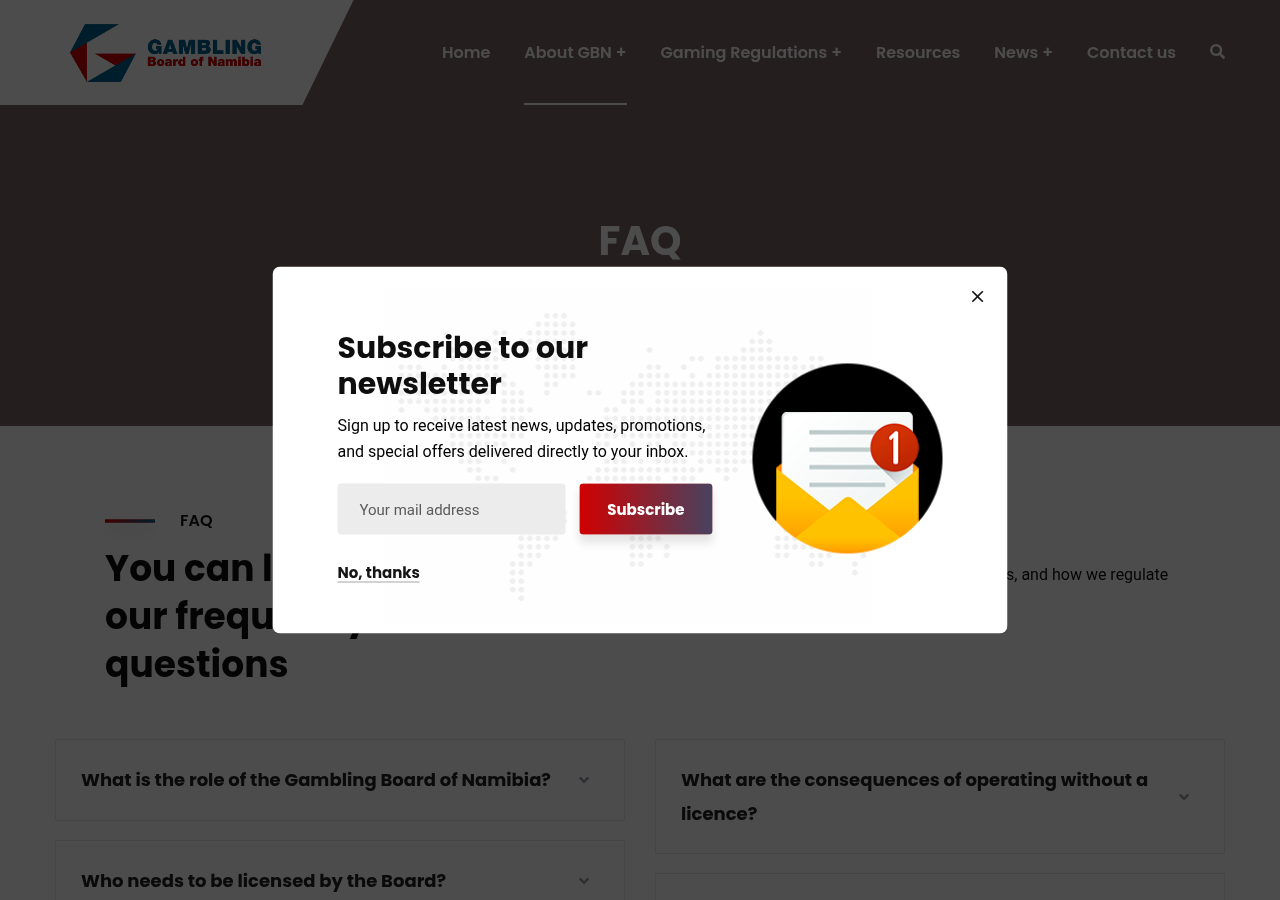
The Namibian Gambling Board says gambling operators must be licensed and that complaints can be submitted through its contact route with supporting evidence. The governing Act defines gambling, creates licence categories and sets the Board framework. A Ministry page records an earlier framework, moratorium and historic licence counts from 2016. Those records explain why a local licence check is important, but the historic Ministry material does not itself prove a current licence status for this service.
Primary evidence and its limits
The strongest evidence in the packet is institutional. The Gambling Board guidance describes licensing and a complaint route. The Act provides the legal framework. The Ministry material is historical and dated 2016. None of these records names the exact BetWinner domain and Namibian-serving legal entity as a current matched licence.
For concise reference, the primary records are:
| Record | What it supports | What it does not support |
|---|---|---|
| Gambling Board FAQ, checked 28 August 2026 | Licensing expectation and complaint submission guidance | A BetWinner licence or a decision about this operator |
| Gambling Act record, checked 28 August 2026 | Definitions, licence categories and Board framework | A current domain-to-entity match |
| Ministry service page, checked 28 August 2026 | Historic framework, moratorium and licence counts dated 2016 | Current approval of the reviewed service |
The operator-tier record shows the brand domain or access response, but it does not resolve the entity serving Namibia. The forum record is weaker still: it provides contextual user reporting about document verification, not an official determination.
The Gambling Board FAQ is the relevant primary guidance for licensing and complaints. The published Act supplies the statutory framework. The Ministry record is useful historical context, not a current approval certificate.
Host, domain and operator checks
A safe identity check has three separate parts: the domain shown in the address bar, the host handling the login and account pages, and the legal entity named in the service terms or licence record. Here, the supplied evidence identifies betwinner.com as the brand domain or access response, but it does not establish the exact operator serving Namibia.
| Check | What to compare | Result in the supplied packet |
|---|---|---|
| Domain | Spelling, extension and secure address | Brand domain recorded; no independent local entity match |
| Host | Address used for login, cashier and support | Not resolved by the accepted evidence |
| Operator | Legal name, address and responsible licence holder | Not established for Namibia |
| Licence | Exact domain and entity in a current primary register | No current primary match located |
Do not assume that a familiar logo, a secure connection or a successful page load proves licensing. A clone may copy branding, and a redirected host may differ from the address first searched. Before creating an account, compare the domain shown in every account and cashier step, save the terms that identify the operator, and stop if the name changes without a clear explanation.
Scam or legitimate: what amber means
The requested question is often phrased as “is BetWinner a scam or legit?” The evidence cannot answer it with a simple binary verdict. There is no supplied official adverse finding, and the single user report is not corroborated by a competent authority. At the same time, there is no current primary Namibian licence match and no resolved operator identity.
Amber is therefore the appropriate signal. It means the service should not be treated as verified for a Namibian customer. It does not mean that every user will experience a problem, nor does it prove that the service is unlawful. It means that important facts needed for a confident consumer decision remain open.
A stronger conclusion would require a dated primary record matching the precise domain, the entity accepting Namibian customers and the applicable licence category. An official adverse record or corroborated documented evidence could change the signal in the other direction.
Payments and withdrawal controls
The packet does not verify specific payment methods, processing times, fees, minimums, withdrawal outcomes or a successful cash-out test. Those details must not be inferred from the presence of a cashier, a payment icon or a general brand page. A payment option appearing at registration may also vary by country, account status or host.
Before sending money, record the displayed currency, fees, limits, processing conditions and the identity of the payment recipient. Read the withdrawal terms before depositing, not only after a withdrawal is requested. Keep receipts, transaction references and account correspondence. Never send a one-time password or payment credential to someone claiming to accelerate a withdrawal.
| Payment question | Verified answer | What remains unknown |
|---|---|---|
| Which methods work for Namibia? | Not established by the accepted evidence | Availability, limits and country restrictions |
| What are the withdrawal times? | No withdrawal test is supplied | Processing time and possible review stages |
| Are fees charged? | Not established | Deposit, withdrawal or currency-conversion fees |
| Who receives the funds? | Exact Namibian-serving entity unresolved | Merchant name and payment processor |
For a broader pre-deposit checklist, use the internal payment checks route. It cannot substitute for a domain-to-operator licence match.
Verification, KYC and account access
The supplied user-context record describes a document-verification complaint. It does not establish whether the complaint was resolved, whether the request was lawful, or whether the account holder supplied complete documents. It is relevant because identity checks can affect deposits, withdrawals and access, but it is not evidence that all customers will face the same outcome.
Ask what documents are requested, which entity receives them, how long a review may take and what appeal route exists. Submit documents only through the verified account area or an independently confirmed support channel. Redact information that is not required where the rules allow it, and retain proof of what was submitted. If the host or legal name changes during verification, pause and investigate rather than sending documents to a new address.
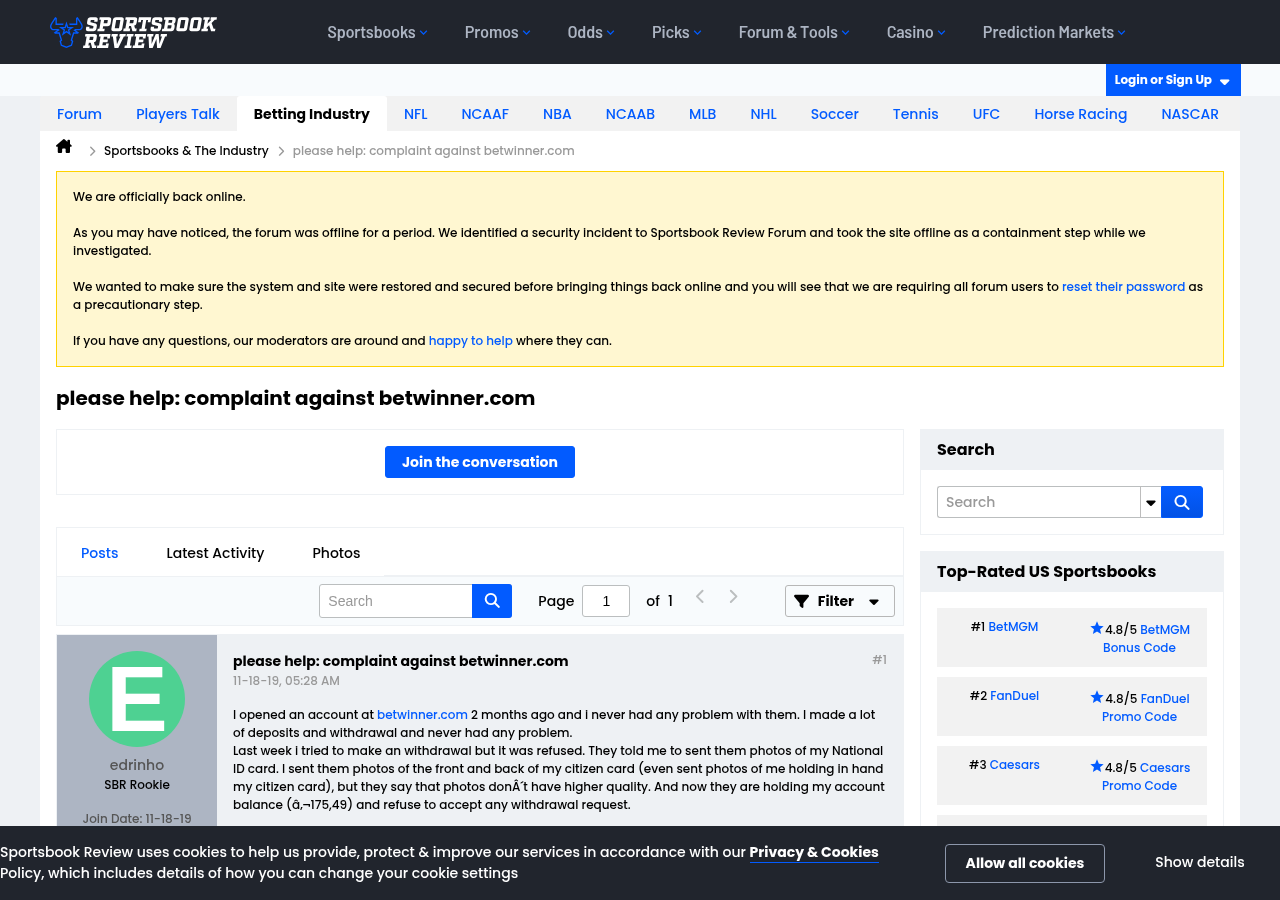
The available material does not verify a withdrawal test, a particular KYC policy, a named data controller, or a successful resolution of the reported complaint. These are unknowns, not negative findings.
Complaints and evidence preservation
The Gambling Board guidance says complaints may be submitted through its contact route with supporting evidence. A customer considering a complaint should first preserve the address used, account identifier, relevant dates, deposit and withdrawal references, messages, verification requests and screenshots. Keep the description factual: state what was requested, what happened and what remedy is sought.
Do not describe an allegation as fraud unless a competent authority has made that finding. A complaint can ask the operator for a written explanation and then be escalated with the supporting record where the regulator’s process permits. Use the internal complaints route for a preparation checklist and licence checks for the identity questions that should accompany a report.
| Preserve | Avoid |
|---|---|
| Dated account and payment records | Editing screenshots to remove material context |
| Exact host and support addresses | Sending passwords or one-time codes |
| Verification requests and responses | Threats, exaggeration or unsupported accusations |
| Requested remedy and deadline | Treating a forum post as an official ruling |
Clone and impersonation risks
A copied page can use the same brand name while directing customers to a different host. Check spelling character by character, especially before login or payment. Follow links from saved records cautiously, inspect the complete address and compare the operator name shown in terms, cashier notices and support responses. Do not assume that search ranking, a padlock or a copied logo confirms authenticity.
A practical clone check is to stop at any mismatch: different domain, unexpected country version, changed legal name, new payment recipient, urgent request for extra money, or support contact that cannot be connected to the verified host. Save the suspicious address without interacting further and report it through the relevant complaint or consumer-protection route.
Alternatives and safer next steps
The unresolved licence and operator questions mean that a cautious customer should compare services only after checking the same points for each one: current primary licensing evidence, exact domain, legal entity, payment recipient, complaint route and responsible-gambling controls. A familiar name is not enough, and an alternative is not automatically safer merely because it is more visible.
The supplied site routes include reviews for CastleBet, InterBet, Betway and bet365. These links are navigation options, not endorsements or proof of local licensing. Use the same evidence standard for every comparison.
If gambling is causing financial or personal harm, pause activity and use the responsible gambling and urgent help resources. No deposit decision should be made under pressure.
Evidence chronology and methodology
The evidence was checked on 28 August 2026. The primary Gambling Board record supports the licensing expectation and complaint route. The Act supports the legal framework. The Ministry page contributes historical context dated 2016. The operator-tier record identifies the brand domain or access response but leaves the Namibian operator unresolved. The forum thread supplies a document-verification allegation and is treated only as user context.
The method is deliberately narrower than a popularity or user-experience score. It asks whether a current primary record matches the precise domain and entity, whether adverse information is official or corroborated, and which important facts remain unknown. Green requires current primary support for the precise match. Red requires an official adverse record or corroborated documented evidence. Open evidence receives amber.
For corrections, send the precise claim, source, date and affected passage through contact. A correction should identify a dated primary record where possible. The methodology and editorial policy routes explain the evidence and correction standards.
Bottom line
The available record supports a cautious, unresolved conclusion. BetWinner is a recognisable brand domain in the supplied operator evidence, but the exact entity serving Namibia and a current Namibian licence match have not been established. The forum complaint is an allegation, not proof of wrongdoing. Payment methods, withdrawal performance, KYC outcomes and operator liability also remain unverified.
Customers who proceed should independently check the exact host and operator before sharing documents or funds, preserve all records, and understand the complaint route first. The amber signal is a reason to verify more, not a claim that the service is definitively fraudulent or definitively approved.
Frequently asked questions
Is BetWinner a scam or legitimate in Namibia?
The supplied evidence does not prove that it is a scam or establish that it is legitimate for Namibian licensing purposes. The correct signal is amber because the exact operator and current local licence match remain unresolved.
Does BetWinner have a Namibian licence?
No current primary Namibian licence match was located in the accepted evidence. That is not proof that no licence exists; it means the precise domain-to-entity match has not been verified.
What does the user complaint prove?
It records an allegation about document verification. It does not prove wrongdoing, a pattern affecting all customers, or Namibian licensing status. Any outcome of the complaint is unknown.
Are deposits and withdrawals verified?
No specific Namibian payment method, fee, processing time or successful withdrawal test is verified in the packet. Customers should check the displayed terms and retain transaction evidence before depositing.
How can I report a dispute?
Preserve account, payment, host and correspondence records, ask the operator for a written response, and use the Gambling Board complaint route with supporting evidence where applicable. Keep the complaint factual and distinguish allegations from established findings.
How do I avoid a cloned site?
Check the complete address at login, cashier and support stages; compare the legal operator name; stop when a host, payment recipient or support contact changes unexpectedly; and never send passwords or one-time codes to an unverified contact.
FNB Namibia